


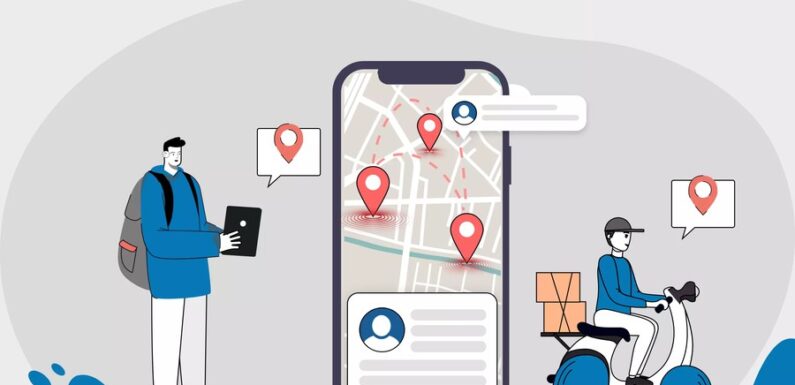
Field sales teams spend most of their day moving. Driving between appointments, checking inventory, answering customer calls from parking lots, trying to squeeze in follow-ups before the next stop. Things happen fast out there, and once a team grows past a certain size, keeping everyone aligned starts getting surprisingly difficult.
That’s where a good field sales app starts making a noticeable difference. Find out more about field sales apps and top tools on the market in this guide. What’s interesting is how quickly small operational problems become obvious once everything’s tracked in one place. Missed follow-ups. Accounts that haven’t been visited in months. Reps wasting time driving across overlapping territories without realizing it. Before using a centralized system, a lot of companies simply don’t see those issues clearly because everyone’s operating from scattered notes and memory.
And memory is unreliable when somebody’s balancing twelve customer conversations a day. A field sales app doesn’t magically fix bad management or weak sales habits. But it does remove a lot of friction that slows teams down without anyone noticing. That hidden friction is expensive. Lost time, duplicated visits, forgotten details, inconsistent reporting… it adds up quietly over time. Then one day leadership starts wondering why revenue growth feels harder than it should.
Field sales app tools improve visibility without constant check-ins
One thing field reps usually hate is feeling interrupted all day by update requests.
“Where are you now?”
“Did that meeting happen?”
“Can you send me your notes?”
“What’s the status on that account?”
Those little interruptions chip away at productivity faster than people realize. Reps lose focus, managers waste time chasing information, and everybody ends up frustrated by the end of the week. A field sales app cuts down on that noise because activity updates happen naturally while work is already being done. Customer visits, route changes, notes, follow-ups, territory coverage… the information lives in one shared place instead of floating around across texts, spreadsheets, and random phone calls.
Managers gain visibility without needing to hover constantly. And honestly, reps usually appreciate that part more than expected. Most field salespeople don’t mind accountability. They just don’t want to spend half their afternoon repeating information they already entered somewhere else earlier in the day. That distinction matters.
Field sales app systems help teams execute more consistently
Consistency is usually what separates organized sales teams from chaotic ones. Not talent. Not motivation. Execution. A field sales app creates structure around daily activity so good habits become easier to maintain even during busy stretches. Follow-ups happen faster because tasks are already tied to accounts. Routes stay tighter because reps can see territory activity clearly. Managers catch gaps earlier before small problems become quarter-end surprises.
One regional manager explained it pretty bluntly after his team switched systems. He said the company finally stopped “running sales operations through guesswork.” That probably sounds familiar to a lot of organizations.
Without centralized tracking, teams rely heavily on assumptions. Assumptions about customer coverage. Assumptions about rep activity. Assumptions about pipeline movement. Sometimes those assumptions are accurate. Sometimes they’re wildly off. The clearer the operational picture becomes, the easier it is to make sharper decisions without slowing everybody down with more meetings and status updates. You can learn more about tools designed for modern field teams at https://repmove.app
