


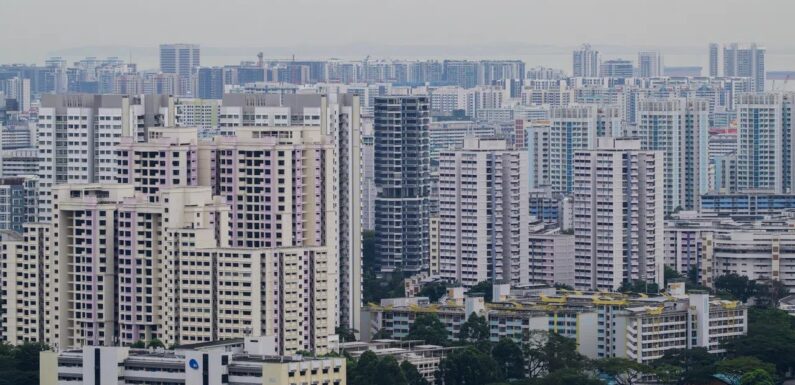
Singapore’s real estate landscape is constantly evolving, shaped by long-term urban planning, infrastructure development, and shifting buyer preferences. While traditional prime districts remain highly sought after, a noticeable trend is emerging: investors are increasingly turning their attention toward developing regions that promise future growth and capital appreciation.
This shift is not accidental. It is the result of deliberate government planning aimed at decentralising commercial activity and creating new regional hubs. For investors, understanding these emerging areas is essential to identifying opportunities before prices fully mature.
The Rise of New Growth Corridors
Over the past decade, Singapore has strategically developed several growth corridors outside the Central Business District. These areas are designed to reduce congestion in the city centre while creating self-sustaining economic zones with their own commercial, residential, and recreational ecosystems.
One of the most prominent examples is the Jurong Lake District in the west. Once primarily an industrial and residential zone, it is now being transformed into a major business and lifestyle hub. Large-scale redevelopment plans include new office spaces, retail clusters, and green public areas designed to attract both businesses and residents.
Within this transformation, developments such as Lucerne Grand stand to benefit significantly. Positioned near key transport links and future commercial hubs, it offers investors early exposure to a district expected to experience strong long-term appreciation.
Why Investors Are Looking Beyond the City Centre
Traditionally, central districts like Marina Bay and Orchard Road have dominated Singapore’s property market. However, high entry prices and limited supply have made these areas less accessible for many investors.
Emerging districts provide a compelling alternative. They offer:
- Lower entry prices compared to prime central locations
- Higher potential for capital appreciation
- Strong government-backed infrastructure development
- Increasing tenant demand as new job hubs are created
As Singapore continues to decentralise its economy, these regions are expected to close the gap in value with established districts over time.
The Role of Connectivity in Driving Growth
One of the most important factors influencing property value in emerging districts is connectivity. The presence of MRT lines, expressways, and integrated transport networks significantly boosts the attractiveness of an area.
Jurong, for example, benefits from the East-West MRT line and ongoing enhancements to its transport infrastructure. These improvements make commuting to the Central Business District and other parts of Singapore more convenient, increasing its appeal among working professionals.
Well-connected developments naturally attract higher rental demand, which in turn supports long-term price stability and growth.
Lifestyle Transformation in New Districts
Emerging districts are not just about commercial expansion—they are also being redesigned with lifestyle in mind. Modern urban planning now places strong emphasis on green spaces, recreational facilities, and community living.
Jurong Lake Gardens is a prime example of this approach, offering residents access to waterfront parks, cycling paths, and nature-inspired leisure spaces. These amenities significantly enhance the quality of life and make the area more attractive to families and young professionals.
At the same time, developments like Island Residences highlight another dimension of Singapore’s property market: premium waterfront living. Located near the southern coastline, it offers a contrasting lifestyle focused on exclusivity, sea views, and proximity to the Central Business District. This combination of urban convenience and resort-style living continues to attract high-net-worth individuals and expatriates.
Investment Timing: Why Early Entry Matters
One of the key advantages of investing in emerging districts is timing. Early investors often benefit the most from infrastructure-driven growth, as property values tend to rise alongside development progress.
When a district is still in its transformation phase, prices are generally more affordable. However, as commercial hubs, transport links, and lifestyle amenities are completed, demand increases—driving prices upward.
This is why many experienced investors actively monitor government development plans. By entering early, they position themselves ahead of the market cycle.
Rental Demand and Tenant Profiles
Emerging districts typically attract a diverse tenant base. This includes:
- Young professionals working in new business hubs
- Families seeking larger and more affordable homes
- Expats looking for modern housing with good connectivity
As employment opportunities increase in these regions, rental demand is expected to grow steadily. This creates a strong foundation for investors seeking consistent rental income alongside capital appreciation.
Balancing Growth and Stability
While emerging districts offer high growth potential, they should be balanced within a broader investment strategy. Established areas provide stability, while developing regions offer upside potential.
A well-structured portfolio might include a mix of:
- Growth-focused properties in developing districts
- Stable luxury assets in established waterfront or central locations
This balance helps reduce risk while maximizing overall returns.
Final Thoughts
Singapore’s emerging districts represent one of the most compelling opportunities in today’s property market. Driven by government planning, infrastructure expansion, and evolving lifestyle needs, these areas are set to play a major role in the country’s future urban landscape.
Investors who understand these trends and position themselves early stand to benefit significantly over the long term. Whether it is a strategically located development in a growth corridor or a premium waterfront residence, the key lies in identifying properties that align with Singapore’s broader transformation journey.
