


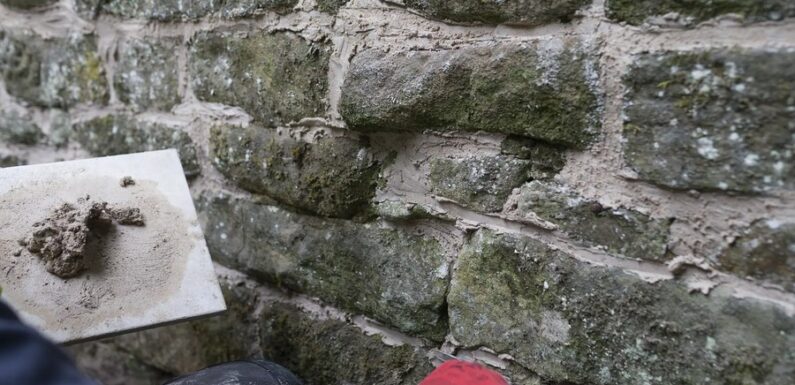
Brick walls are strong and look good for a long time, but even the strongest masonry structures wear down with time. Over time, exposure to moisture, temperature changes, pollution, and natural settling weakens mortar joints. This lets water in and causes surface damage. If these problems aren’t fixed, they can hurt both the look and the stability of the structure.
This is where professional masonry restoration is necessary. Repointing brickwork and tuck pointing are two methods that can fix brick walls without having to replace them completely. When done right, these ways make walls last longer, save expensive repairs, and make the outside of the house seem a lot better.
1. Knowing Why Mortar Joints Break Down Over Time
Mortar is softer than brick, so it can move and withstand weather. Over time, mortar breaks down, fractures, or washes away, especially in older buildings or places with extreme weather.
Bricks lose support, and moisture gets into the wall structure as mortar joints break down. Repointing brickwork fixes this problem by taking out the deteriorated mortar and replacing it with new, appropriate material that makes the wall stronger and protects it.
2. Repointing Brickwork Makes the Structure Strong Again
Repointing is not a cosmetic improvement; it is a way to fix the structure. It means carefully taking out failing mortar to a certain depth and replacing it with new mortar that is the same as the old mortar.
Repointing brickwork correctly strengthens the wall, spreads out the strain, and shuts off places where water can get in. This method stops bricks from moving, prevents damage to the inside from moisture, and prevents the gradual breakdown of masonry that would otherwise need substantial repairs.
3. What Makes Tuck Pointing a Unique Skill
Repointing is mostly about fixing the structure, while tuck pointing is mostly about making it seem better. To make the joints look crisp and even, this method employs two different colors of mortar: one that matches the brick and a thin line of lighter mortar.
Tuck pointing works best on old structures or ornate facades where looks are important. When done well, it makes old masonry seem better and makes joints work better at the same time.
4. Stopping Damage from Moisture
Trapped moisture is one of the worst things that can happen to brick walls. Water that gets in through broken mortar expands when it freezes and thaws, which can cause bricks to fracture, spall, and leak inside.
Repointing masonry fills in gaps and makes it more resistant to water, and tuck pointing, when done with the right mortar, helps keep it breathable. This equilibrium keeps the walls healthy all year round by letting moisture out without letting water in.
5. Making Walls Last Longer and Lowering Costs in the Long Run
If you don’t take care of mortar damage, the expense of repairs will keep going up. If you don’t fix loose bricks, unstable structures, and water damage very often, you may need to do a lot of work to fix them.
Repointing brickwork and Tuck pointing early on keeps the materials you already have and keeps you from having to replace them. These targeted restoration methods provide you with a great return on investment by making walls last longer and lowering maintenance costs over time.
6. Making The Property Look Better and Worth More
Brick facades are a common architectural feature on many buildings. Even if the bricks are still in good shape, broken joints and uneven mortar lines make the house look much less appealing from the street.
Tuck pointing brings back clean lines and sharp edges, while repointing makes sure the wall looks strong and well-kept. These services work together to increase the value of the home and make a good first impression on purchasers, renters, or visitors.
Masonry Restoration That Protects and Improves
Brick walls don’t fall overnight, but if the mortar starts to break down, that’s a clue you should never ignore. Fixing joint degradation early keeps the structure strong, keeps moisture out, and keeps the original masonry elements in good shape.
Brick walls can be brought back to life both structurally and attractively with skilled repointing and precise tuck pointing. These tried-and-true methods don’t simply make things look better; they also protect their strength, extend their life, and keep masonry working as it should for decades to come.
